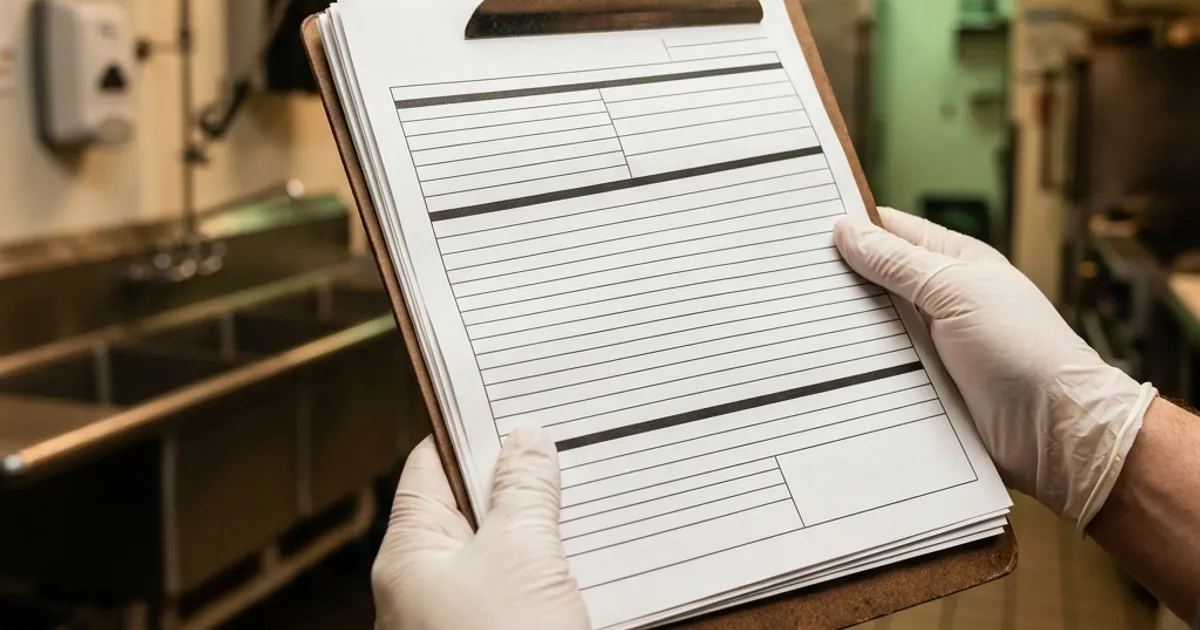
Pinellas County has one of Florida's most detailed grease management frameworks. Under the Commercial Grease Management ordinance (Section 126-611 and following sections of the county code), food service establishments must meet monthly pumping requirements for interceptors and maintain weekly cleaning logs for interior traps. These requirements exceed the state baseline under Chapter 62-705 F.A.C..
Local Ordinance Details
Pinellas County Code Section 126-611 through 126-620 governs commercial grease management. The ordinance is enforced by the Pinellas County Utilities Department and applies to all FSEs discharging to the county sewer system. Within municipalities like St. Petersburg and Clearwater, local utilities departments may co-enforce these requirements. The program requires FSEs to submit a Grease Management Plan and use only permitted grease waste haulers.
Pump-Out Frequency
Pinellas County requires:
- Grease interceptors (exterior): Pumped at least once per month (every 30 days)
- Grease traps (interior): Cleaned weekly with a documented cleaning log
This monthly interceptor requirement is significantly stricter than most Florida counties. The county may grant extensions to quarterly pumping if an FSE demonstrates consistently low grease levels through documented inspections, but this must be formally approved.
Documentation Required
Pinellas County inspectors require:
- Approved Grease Management Plan on file
- Weekly interior trap cleaning logs signed by the responsible employee
- Monthly interceptor service manifests from permitted haulers
- Hauler permit verification (only Pinellas-permitted haulers accepted)
- Trap and interceptor sizing calculations or installation records
Penalties
Non-compliance with Pinellas County grease management ordinances carries fines starting at $250 for first-time violations. Repeat violations can escalate to $500 per violation per day. The county may require mandatory increased pumping frequency at the facility's expense. Persistent non-compliance can result in sewer service termination and code enforcement liens on the property.
How to Stay Compliant
- Submit your Grease Management Plan to Pinellas County Utilities before opening or when required.
- Schedule monthly interceptor pumping — the 30-day interval is firm and well-enforced.
- Maintain weekly cleaning logs for interior traps with dates, employee signatures, and cleaning method notes.
- Use only Pinellas County permitted haulers — verify your hauler's permit status before contracting.
- Retain all records for at least five years — Pinellas requires longer retention than some other counties.
Find a Service Provider
Browse verified grease trap service companies in Pinellas County to find permitted haulers near your business.
Frequently Asked Questions
Can I get an extension from monthly to quarterly pumping in Pinellas?
Yes, but only with formal county approval. You must demonstrate through documented inspections that your interceptor consistently maintains low grease levels. Contact Pinellas County Utilities to request an evaluation and extension.
What is required in the weekly cleaning log?
Each weekly log entry must include the date, the name of the employee who performed the cleaning, the method used (manual scraping, skimming, etc.), the approximate amount of grease removed, and any observations about trap condition. These logs are reviewed during inspections.
Does St. Petersburg have different requirements than unincorporated Pinellas?
St. Petersburg follows the same county ordinance framework but enforces through its own utilities department. The monthly pumping and weekly cleaning requirements are the same. Contact St. Petersburg Public Utilities for municipality-specific permitting.