Food Truck Grease Trap Requirements in Florida
You spent months perfecting your menu, sourcing a truck, and navigating permits. Then someone mentions grease traps and you think: that is a brick-and-mortar problem. It is not. If you operate a food truck in Florida and your menu involves any cooking with fats, oils, or grease — which covers virtually every food truck in the state — grease trap compliance is part of your operating reality.
The rules work differently for mobile operations than for fixed-location restaurants, but they exist, they are enforced, and getting them wrong can put your food truck license at risk. Here is what every Florida food truck operator needs to know.
Do Food Trucks Need Grease Traps?
The short answer: yes, but not necessarily on the truck itself.
Florida's Department of Business and Professional Regulation (DBPR) requires all mobile food dispensing vehicles to operate from a licensed commissary kitchen. This commissary serves as your base of operations for food prep, storage, warewashing, and — critically — wastewater disposal.
The commissary kitchen is where grease trap compliance lives for food truck operators. When you wash dishes, clean equipment, or dispose of cooking liquids at the commissary, that wastewater flows through the commissary's grease trap system. The commissary is responsible for maintaining its grease trap in compliance with local FOG ordinances and Chapter 62-705 F.A.C..
But here is where food truck operators get caught: the commissary's compliance is not entirely the commissary's problem. It is yours too.
Your Commissary Kitchen Connection
Under DBPR rules, your food truck license is tied to a specific commissary. During inspections — which happen at both the commissary and on-location at events — inspectors verify that:
- Your commissary agreement is current and valid
- The commissary is licensed and in good standing
- You are actually using the commissary for the services listed in your agreement (not just paying for the address)
- Wastewater from your operations is being properly disposed of through the commissary's systems
If your commissary loses its license due to FOG violations — which happens more often than you might think — your food truck license is directly affected. You cannot operate from an unlicensed commissary, and finding a new one on short notice in a competitive market like Miami, Tampa, or Orlando can take weeks.
This is why smart food truck operators do not just find the cheapest commissary. They verify that the commissary has a clean compliance record, a maintained grease trap, and current service manifests. Your business depends on it.
What to Verify at Your Commissary
Before signing a commissary agreement, ask these questions:
- When was the grease trap last serviced? Ask to see the most recent manifest. If they cannot produce one, that is a red flag.
- What is the cleaning frequency? It should align with the county's FOG requirements. In Hillsborough County, that is every 90 days. In Pinellas, monthly.
- Who is the hauler? Verify that they use a DEP-licensed grease trap service provider. You can check licensing status through the Florida DEP.
- Has the commissary received any FOG violations? Ask directly. Inspection results are public record.
- Is the trap sized for the number of operators using the facility? A commissary serving ten food trucks generates significantly more FOG than one serving two. An undersized trap fills faster and creates compliance problems for everyone.
Mobile Grease Trap Options
While the commissary handles the bulk of your grease trap compliance, some food truck operators also need on-vehicle or portable grease management solutions:
Portable Grease Traps
Small, portable grease traps (typically 10-35 gallons) can be installed on or carried with a food truck. These are especially useful for:
- High-volume frying operations that generate significant FOG during service
- Events where you are far from your commissary and cannot dispose of wastewater during the day
- County health departments that require point-of-use traps on mobile operations (requirements vary by county)
Portable traps are not a substitute for commissary compliance, but they provide an additional layer of protection. They capture FOG at the source — on your truck — before it enters any disposal system.
Gray Water Containment
Florida requires food trucks to have gray water holding tanks for wastewater generated during operation. This wastewater must be disposed of properly — either at your commissary or at an approved dump station. Dumping gray water into storm drains, parking lots, or open ground is an environmental violation that can result in fines and license action.
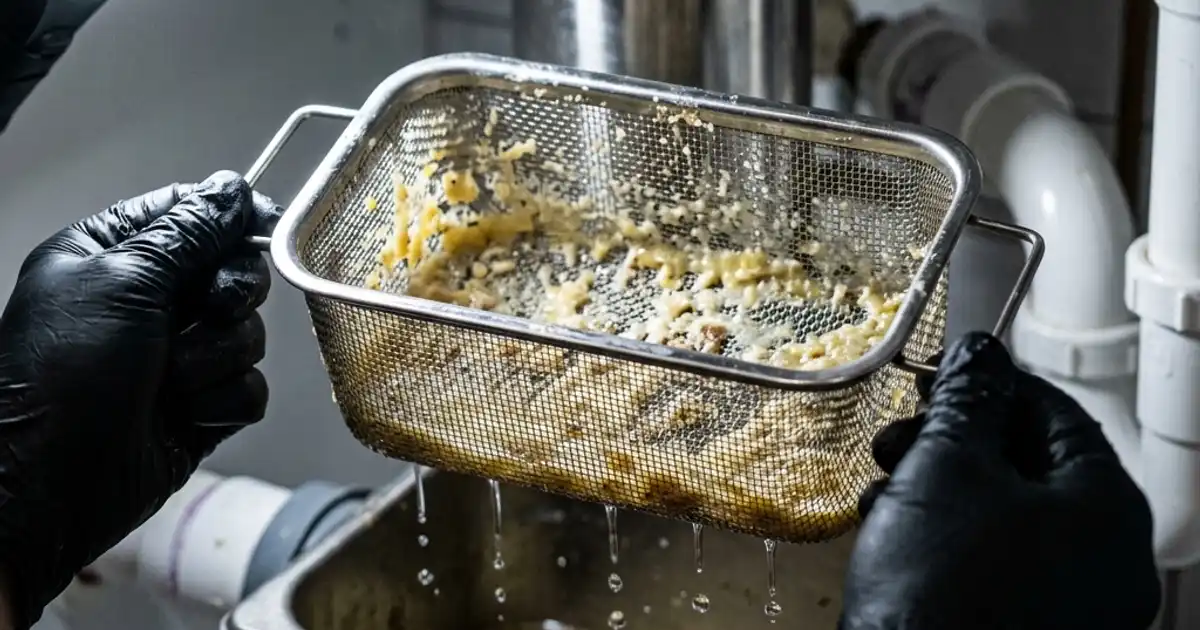
Some food truck operators use small inline grease filters or strainers on their gray water systems to reduce FOG content before it reaches the holding tank. This is a good practice that makes disposal easier and keeps your holding tank cleaner, but it does not eliminate the need for proper commissary-based grease trap compliance.
Florida DBPR Requirements for Mobile Operations
The DBPR regulates food trucks under Chapter 509, Florida Statutes, and Rule 61C-4, Florida Administrative Code. Key requirements that intersect with grease compliance include:
Commissary Agreement
Every food truck must have a written commissary agreement that specifies which services you will use at the facility. These typically include:
- Food storage and preparation
- Warewashing (dishwashing)
- Wastewater disposal
- Equipment cleaning
- Dry storage
The wastewater disposal component is directly tied to grease trap compliance. If your agreement does not include wastewater disposal, you have a problem — where is your cooking wastewater going?
Inspection Frequency
DBPR inspects food trucks at their commissary and at operating locations. Inspectors check:
- Valid commissary agreement
- Proper gray water management
- Wastewater disposal procedures
- Overall equipment cleanliness (including fryers, grills, and surfaces that generate FOG)
Inspections can happen unannounced at festivals, food truck parks, and regular operating locations. Having your commissary agreement, recent commissary visit records, and gray water management documentation on the truck is essential.
Record Keeping
Maintain these records on your truck or in easily accessible digital format:
- Current commissary agreement
- Log of commissary visits (dates, services used)
- Gray water disposal log
- Equipment maintenance records
- Any county-specific permits or FOG compliance documentation
Maintenance Schedule for Mobile Operations
Food trucks have unique maintenance needs compared to fixed-location restaurants. Here is a practical schedule:
Daily
- Empty and clean portable grease traps (if equipped)
- Strain gray water before adding to holding tank
- Wipe down cooking surfaces that generate FOG
- Empty gray water holding tank at commissary or approved dump station
Weekly
- Deep clean all fryers, grills, and cooking equipment at the commissary
- Clean gray water tank thoroughly
- Inspect portable grease trap for damage or wear
Monthly
- Verify commissary grease trap is on schedule (ask the manager or check the posted manifest)
- Review gray water disposal log for completeness
- Inspect gray water holding tank connections and valves
Quarterly
- Confirm commissary hauler is still DEP-licensed
- Review commissary agreement terms
- Check for any county FOG ordinance updates that affect your operation
Common Mistakes Food Truck Operators Make
1. Treating the Commissary as Just a Mailing Address
Some operators sign a commissary agreement but rarely use the facility, preferring to prep on the truck and dispose of wastewater informally. This violates DBPR requirements and creates a paper trail that does not match your actual operations. Inspectors notice.
2. Dumping Gray Water Improperly
Pouring gray water into a parking lot drain, a storm sewer, or behind a building is an environmental violation. In many Florida counties, storm drains flow directly to waterways. Getting caught means fines from the county environmental department and potential DBPR action against your food truck license.
3. Ignoring the Commissary's Grease Compliance
Your commissary's grease trap problems become your problems. If the commissary gets cited for FOG violations and its operations are disrupted, your food truck has no legal base of operations. Stay informed about your commissary's compliance status.
4. Not Carrying Documentation
When an inspector visits your truck at a festival, they may ask for your commissary agreement, gray water records, and other documentation. "It is at the commissary" is not an acceptable answer. Keep copies — physical or digital — accessible at all times.
5. Skipping Portable Trap Maintenance
If you invest in a portable grease trap, it only works if you clean it. A neglected portable trap overflows, creates a mess, and provides zero benefit. Daily cleaning takes five minutes and prevents problems.
6. Assuming County Rules Are the Same Everywhere
Miami-Dade's FOG requirements differ from Hillsborough's, which differ from Pinellas's. If your food truck operates across multiple counties — many do — you need to understand each county's rules. What is compliant in one county may not be in another. Check our county-specific compliance pages for requirements in the areas where you operate.
Finding Grease Trap Services for Food Truck Operations
Most grease trap service companies focus on fixed-location restaurants, but many also service commissary kitchens and can advise food truck operators on portable trap options. When searching for a provider:
- Look for companies experienced with commissary kitchen service
- Ask about portable grease trap sales and maintenance
- Verify DEP licensing — the same requirements apply regardless of whether they are servicing a restaurant or a commissary
- Consider companies that offer flexible scheduling, since commissary kitchens often need service outside normal business hours
Browse the Florida grease trap service directory to find providers in your county.
Frequently Asked Questions
Can I install a permanent grease trap on my food truck? It depends on your truck's plumbing configuration and your county's requirements. Some food trucks have small under-sink traps plumbed into their gray water system. This is more common on larger, custom-built trucks with full kitchen buildouts. Check with your county health department for specific requirements, and ensure any installation is done by a licensed plumber.
What happens if my commissary loses its license? You must stop operating until you establish a new commissary agreement with a licensed facility. Operating without a valid commissary is a DBPR violation that can result in fines, license suspension, or revocation. To protect yourself, research backup commissary options in your area before you need them.
Do food truck parks provide grease trap services? Some food truck parks have shared grease management infrastructure, including grease traps and gray water disposal stations. However, this does not replace your commissary requirement. Even if a food truck park provides grease disposal, you still need a licensed commissary agreement that covers all DBPR requirements. Ask the park operator about their FOG management setup and how it complements your existing commissary arrangement.
Frequently Asked Questions
Can I install a permanent grease trap on my food truck?
It depends on your truck's plumbing configuration and your county's requirements. Some food trucks have small under-sink traps plumbed into their gray water system. This is more common on larger, custom-built trucks with full kitchen buildouts. Check with your county health department for specific requirements, and ensure any installation is done by a licensed plumber. **What happens if my commissary loses its license?** You must stop operating until you establish a new commissary agreement with a licensed facility. Operating without a valid commissary is a DBPR violation that can result in fines, license suspension, or revocation. To protect yourself, research backup commissary options in your area before you need them. **Do food truck parks provide grease trap services?** Some food truck parks have shared grease management infrastructure, including grease traps and gray water disposal stations. However, this does not replace your commissary requirement. Even if a food truck park provides grease disposal, you still need a licensed commissary agreement that covers all DBPR requirements. Ask the park operator about their FOG management setup and how it complements your existing commissary arrangement.